Chemical Peels: What to Expect & After Peel Care
Chemical Peels: What to Expect & After Peel Care
What is a Chemical Peel?
A chemical peel is a prescription facial that create a controlled injury to the outer most layers of the skin (epidermis) and/or dermis using acids, which ultimately will increase the production of collagen, elastin and hyaluronic acid. These are the end goal of all aesthetic treatments; thereby slowing down the aging process. Fabulous right?
How Chemical Peels Improve the Skin
Chemical peels can improve skin by encouraging and accelerating cell turn-over and providing exfoliation, which will improve skin concerns such as texture, tone, pigmentation and treat skin conditions such as acne and rosacea. Pore size is also decreased with peels which seems to be a common complaint. Adding a consistent chemical peel treatment into your regular skin routine can provide a glowing, healthy appearance while at the same time treating your individual concerns.
Have You Ever Wondered What the "Chemical" is in a Peel?
The word "chemical" can intimidate people because it can seem harmful and unnatural. However, the "acids" used in most peels are derived from fruits, trees, and plants. Think organic!
Here are examples of some of the more common acids used in peels:
Lactic Acid
Lactic acid is a very mild acid derived from sour milk. This is a good choice for people new to peels and with unconditioned skin.
Glycolic acid
Glycolic acids are more robust. These acids are naturally found in sugar cane and are great for exfoliation, anti-aging as well as acne. These acids can be used in increasing strengths dependent upon skin health and condition.
Alpha Hydroxy Acids (AHA)
AHA's are a combination of citric, glycolic and lactic acids. These acids work on exfoliation, encourage cell turn over and have been found to stimulate collagen and elastin production. Collagen and elastin add volume and structure to the skin.
Salicylic acid (BHA)
Salicylic acid is a game-changer for treating acne! Beta-Hydroxy Acid (BHA) and is originally derived from the willow tree. It is oil-soluble allowing it to penetrate deeper into the skin, helping to unclog pores and control pimples. The salicylic acid helps to reduce inflammation caused by acne.
Enzymes
Similar to a chemical peel, an enzyme peel is used to improve skin texture and tone. Enzymes are applied to the skin, encouraging exfoliation and stimulating new cell growth in a gentle way. The most commonly used enzymes are papain, found in papayas, and bromelain, found in pineapple. This is my personal favorite peel!
What Areas Can I Do a Chemical Peel On?
Generally, peels are done on face, neck, décolleté, hands and the dreaded back acne!! I may even have treated a bottom or two. So, essentially you can perform a chemical peel anywhere you are feeling concerned with tone, texture or acne.
What To Expect After a Chemical Peel?
A prescription chemical peel is chosen by your aesthetician based on your skin concerns and Fitzpatrick type (skin type). Your skin's reaction can vary and your individual reaction does not determine whether the peel was effective. Specifically, because you don't peel, does not mean the peel did not work. More accurately, you skin is more conditioned and exfoliated. Below are some common reactions.
- Redness- generalized or in patches; in more sensitive areas such as around the mouth and under eyes. This redness can last from minutes to 24 hours.
- Pigment may appear darker
- Dryness- keeping the area moisturized with prescribed after care products will help.
- Itching- this is a normal skin response.
- Peeling generally occurs after 3-4 and can be slight flaking to a snake shedding. Again, this depends on multiple variables.
Chemical Peel Aftercare!
Your post-care after a peel is the most important part of the process. Following a jessner peel (this is a self-neutralizing peel) you must avoid water, steam, sweating as this will reactivate the peel. Wear your mineral sunscreen; our favourite is by AlumierMD. Avoid the sun as much as possible. Think sunglasses and a very large hat (summer months), not enjoying life is just not practical! Tanning beds are an absolute NO-NO. I should not have to explain this one. No exfoliating and no acids such as retinol, AHA and acid-based toners for approximately 5-7 days after the peel.
Most clinics will have post-care kits to take home with a gentle wash, hydrating moisturizer, and a SPF.
AlumierMD
In all my years working as a medical aesthetician I have used many professional skincare lines. We at RestoBod laser clinics can't stop raving about AlumierMD. Their commitment to clean science, ethically sourced active ingredients as well as being very affordable is why we love this brand and have committed t it. Their chemical peels show proven results and the at-home skincare continues the results. Hands down the best SPF we've ever used.
More From the RestoBlog
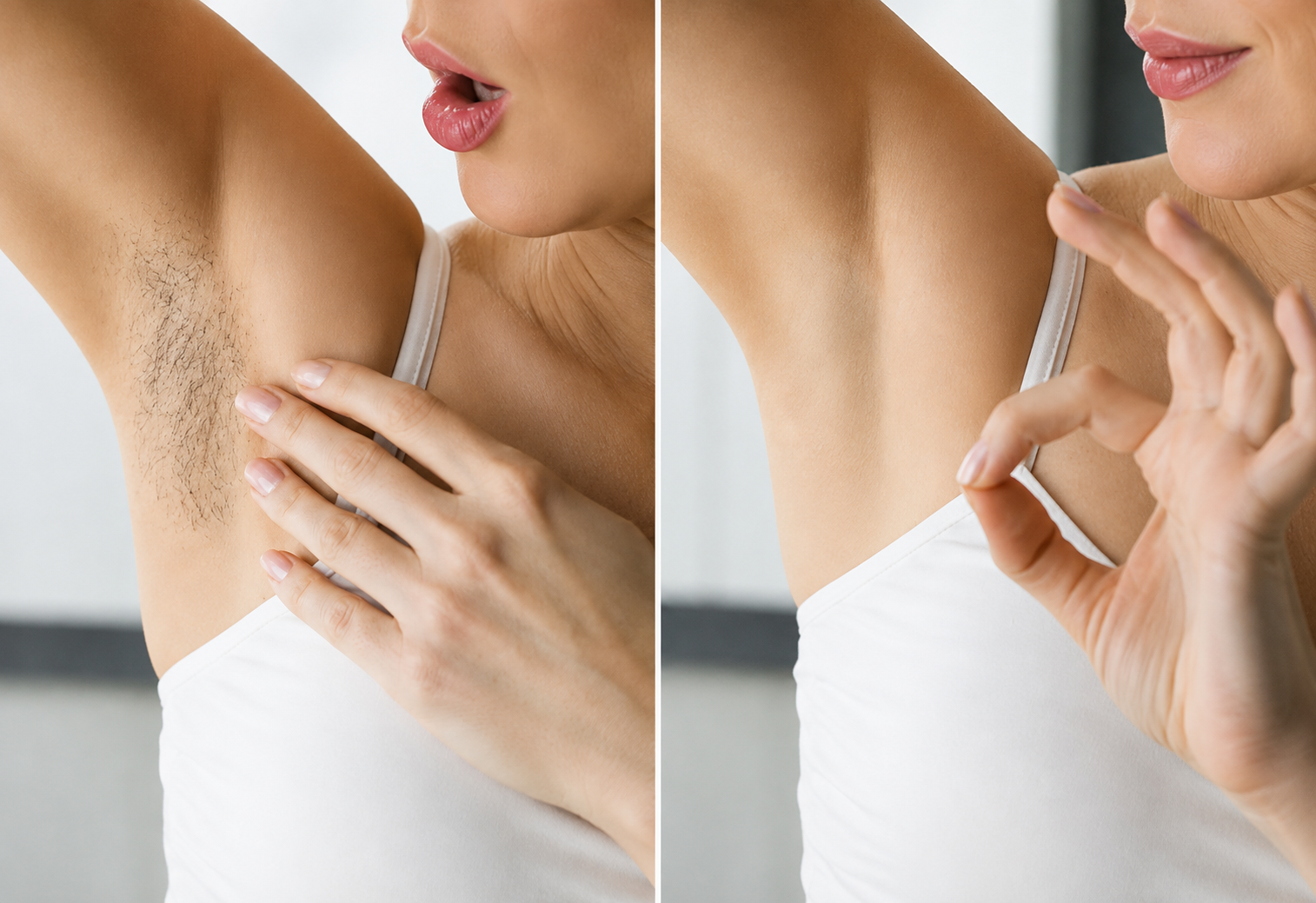
Cheap Laser Hair Removal: Why the Right Technology Matters More Than the Lowest Price
When people compare laser hair removal clinics, price is often the first thing they look at. Nobody wants to overpay. But when it comes to laser treatments, the lowest price does not always mean the lowest overall cost -and it certainly does not guarantee the safest or most effective treatment.

1565nm Laser vs CO₂ Laser: Which One Is Right for Your Skin?
1565nm Laser vs CO₂ Laser: Which One Is Right for Your Skin? Let’s clear something up right away. There is no “best” laser. Only the best laser for you. At RestoBod, we offer both fractionated CO₂ and 1565nm non-ablative laser treatments (and more!) because different skin concerns, lifestyles, and comfort levels call for different approaches. […]

How to Get the Most Out of Your Restobod Membership
How to Get the Most Out of Your Restobod Membership Great skin doesn’t happen by accident. It happens with a plan. The Restobod Membership was designed for people who are serious about results — not one-off treatments, not quick fixes, but real, visible improvement over time. With preferred pricing, monthly treatments, and retail savings, this […]

How Much Is Laser Hair Removal in Calgary? Why There Isn’t a Simple Answer
If you’re considering laser hair removal, it’s natural to ask: “How much does it cost?” At Restobod Laser Clinics in Calgary, we hear this daily—and while we’d love to give a simple dollar figure, the truth is that there is no universal price for laser hair removal. Multiple factors impact cost, number of treatments, and […]
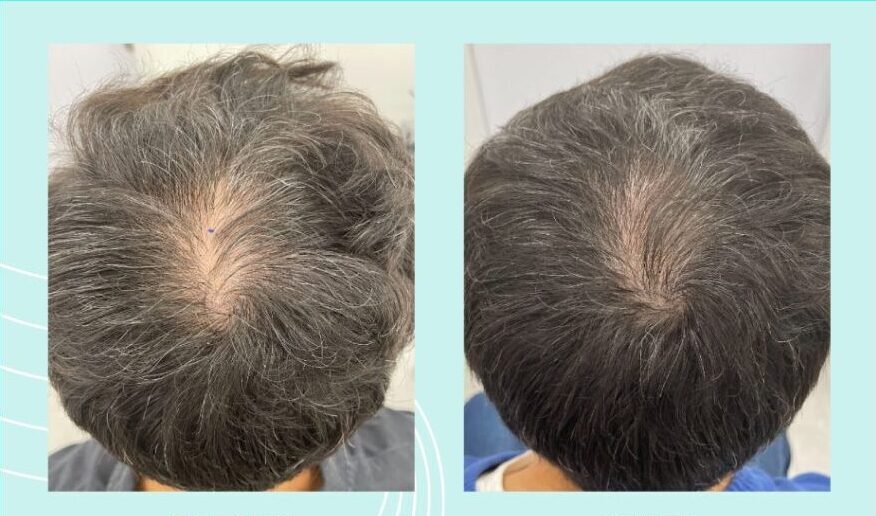
Calgary’s First FoLix™ Hair Restoration Laser – Now at RestoBod Laser Clinics
Calgary’s First FoLix™ Hair Restoration Laser – Now at RestoBod Laser Clinics If you’re noticing more hair in the shower drain, widening part lines, or an overall loss of density, you’re not alone. The good news? There’s a brand-new treatment in Calgary that’s changing the way we restore hair — and you’ll only find it […]

PicoWay vs PicoSure
PicoWay vs PicoSure When considering laser tattoo removal, two leading technologies are the PicoSure and PicoWay lasers. Both utilize picosecond technology—delivering energy in trillionths of a second—to effectively break down tattoo pigments. Here is a quick analogy to describe how important the power of the laser is in tattoo removal. This is the key difference […]

Save up to 25% with a Membership!
Learn more about Restobod MembershipsMore Happy Customers
Nothing makes us happier than a happy customer!
Alexander B.

Friendly welcoming staff, beautiful clean medical space. With tons of great procedures to choose from. Nice product lines for sale. Glad I stopped in and found this Gem!!
Colin H.
Very friendly staff. Made time on the weekend (after hours) to book an apt. for my wife to have her tattoo removed. Started the process. Very clean atmosphere using state of the art technology.
Matt M.
Great clinic , very clean. Awesome results on my tattoo removal! Will be returning for further treatments. Most importantly great staff!
Megan H.
I have been going to RestoBod for a tattoo removal, and the staff has been so amazing! They are friendly and very knowledgeable! The process itself is fast and virtually painless! I have also been using their product for my acne prone skin, and have seen such an improvement!!
Mikaila A.
Beautiful brand and facility, knowledgeable staff, and results that truly will change your life. Thank you RestoBod!
Our Partners